


Home / Research
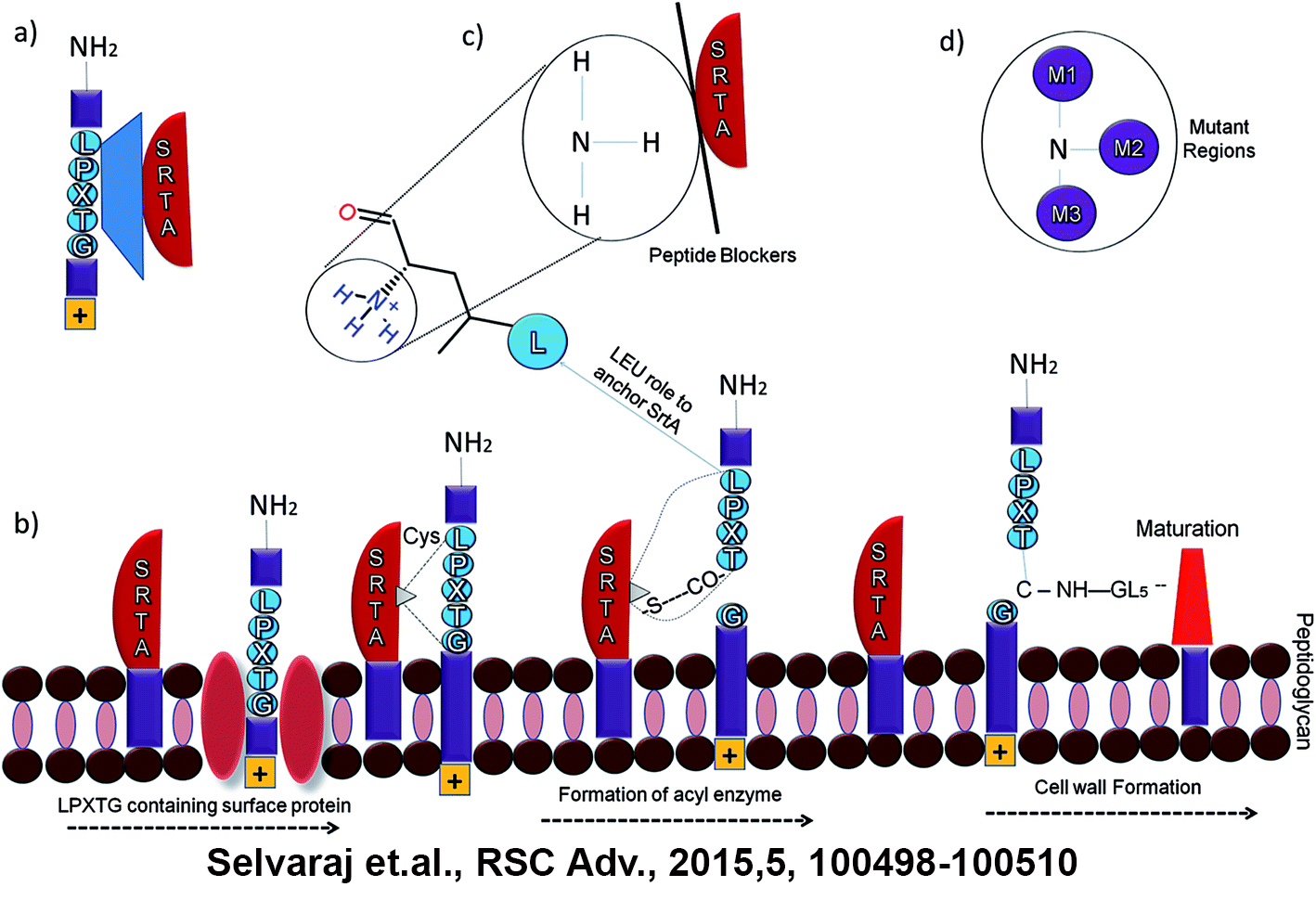
Many bacterial species form surface-attached communities called biofilms — aggregates embedded in an extracellular polymeric matrix that shield them from host immunity and promote antibiotic resistance. Biofilms begin with attachment to a surface and proceed through microcolony formation, coordinated by quorum sensing (QS).
Several Gram-positive pathogens associated with nosocomial and systemic infections, including meningitis and septicaemia, are capable of forming persistent, highly resistant biofilms.
We study the Gram-positive genera Bacillus, Streptococcus, Enterococcus and Staphylococcus, and how physiological and environmental factors shape their sporulation, adhesion and biofilm formation. Key targets include Sortase A (surface-protein anchoring), DNA gyrase (the fluoroquinolone target in Streptococcus pyogenes) and quorum-sensing regulators such as AgrA. Molecular docking, pharmacophore modelling and molecular dynamics have yielded promising anti-biofilm and anti-virulence candidates.
Department of Bioinformatics, Science Block, Alagappa University, Karaikudi-630 004,Tamil Nadu, India